
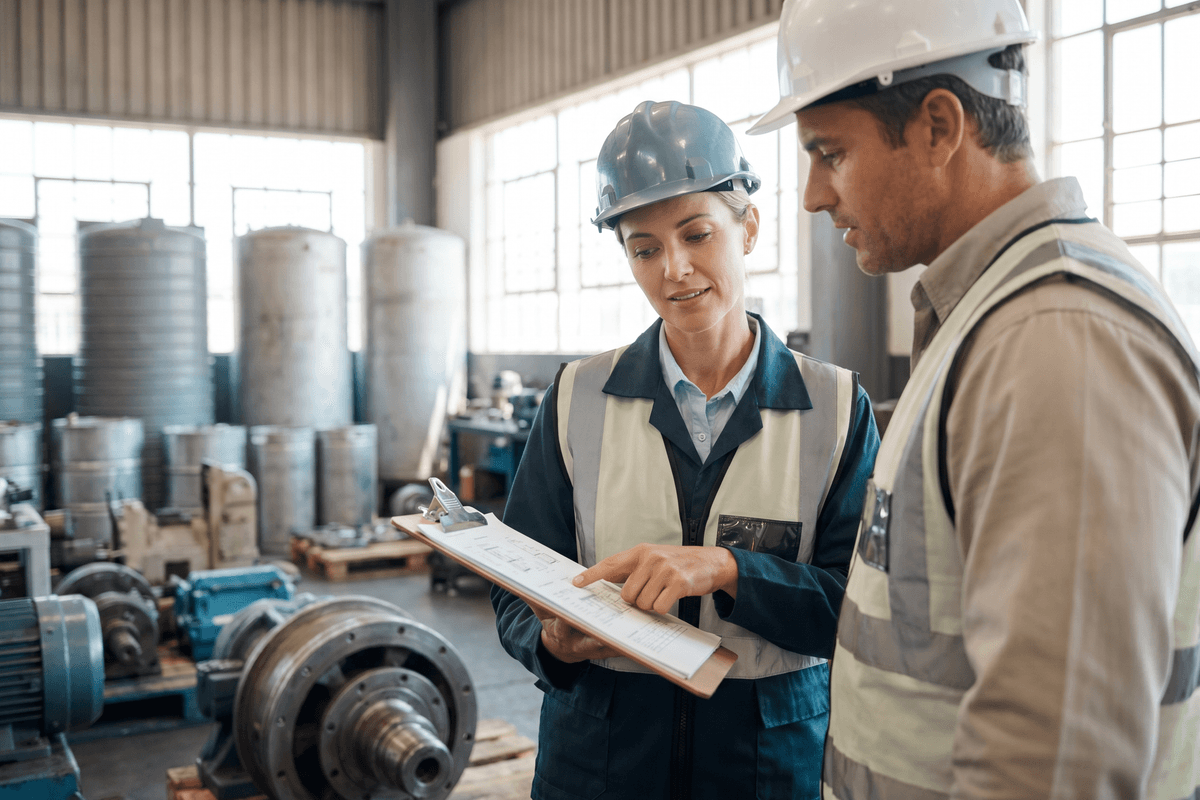



For decades, the heavy equipment and industrial sectors viewed human resources primarily as a back-office compliance function—a department focused on payroll, safety violations, and basic personnel administration. But as the competition for skilled labor reaches a boiling point in 2026, these legacy industries are undergoing a radical corporate rebranding. The recent announcement that Leahan Fuqua has been appointed as Vice President of Human Resources at National Tank & Equipment (NTE) to lead their North American "People & Culture" strategy is the latest indicator of a massive paradigm shift. Heavy industry is finally realizing that machinery doesn't drive growth; people do.
Fuqua’s mandate to overhaul the People & Culture strategy across a distributed, North American footprint serves as a powerful case study for HR professionals navigating the complexities of blue-collar, deskless, and industrial workforces. It highlights a critical evolution: the transition from reactive personnel management to proactive, culture-driven talent strategy.
The Evolution of "People & Culture" in Heavy Industry
Historically, the title "People & Culture" was reserved for Silicon Valley tech firms or agile marketing agencies. In the industrial sector—where steel, diesel, and logistics dominate—the focus was traditionally on operational efficiency. However, the post-pandemic labor market has forced a reckoning. Companies like National Tank & Equipment are recognizing that to attract the next generation of technicians, engineers, and operational leaders, they must offer more than just competitive hourly wages.
By elevating Fuqua to lead a dedicated People & Culture strategy, NTE is signaling to the market that employee experience is now a board-level priority. This shift is driven by three compounding demographic and economic realities:
- The Silver Tsunami: A significant portion of the skilled trades and industrial workforce is aging out. Capturing their institutional knowledge before they retire requires strategic mentorship and succession planning.
- The Deskless Disconnect: Industrial workers rarely sit behind a computer. Engaging a distributed, frontline workforce requires specialized communication tools and a highly intentional culture.
- The Tech-Enabled Blue Collar Worker: Modern industrial equipment is highly sophisticated. The line between a traditional mechanic and a software technician is blurring, requiring continuous upskilling.
"The elevation of HR in heavy industry isn't just about rebranding a department; it's a survival tactic. If you cannot build a culture that respects, protects, and develops the frontline worker, you will simply run out of the human capital required to operate your business."
Bridging the North American Distributed Workforce Divide
One of the most significant challenges Fuqua will face—and a challenge shared by thousands of HR leaders in the logistics, manufacturing, and equipment sectors—is managing a geographically dispersed workforce. National Tank & Equipment operates across North America, meaning its HR strategy must be flexible enough to accommodate varying state and provincial labor laws, yet unified enough to foster a singular company culture.
The Compliance and Culture Tightrope
In a distributed industrial model, HR leaders must walk a tightrope. On one side is the rigid world of multi-jurisdictional compliance. From California's aggressive wage and hour laws to OSHA's stringent safety reporting requirements, the regulatory burden is immense. On the other side is the need to build a cohesive culture where a field technician in Texas feels the same connection to the company's core values as a site manager in Alberta.
To succeed, modern industrial HR leaders are deploying several strategic levers:
- Mobile-First Employee Experience (EX): Leveraging HRIS platforms that allow field workers to access benefits, swap shifts, and complete training modules directly from their smartphones.
- Localized Leadership Empowerment: Training regional managers to act as cultural ambassadors, ensuring that corporate HR initiatives are translated effectively to the frontline.
- Unified Safety Culture: Positioning physical and psychological safety not just as a compliance metric, but as the foundational pillar of the company's care for its employees.
Redefining the Industrial HR Playbook
The appointment of a VP of HR tasked specifically with "People & Culture" in an equipment company requires a fundamental rewriting of the traditional HR playbook. We are witnessing the death of the transactional HR department in heavy industry. Below is a breakdown of how strategic HR leaders are shifting their operational models to meet 2026's demands.
| HR Function | Legacy Industrial HR Model | Modern People & Culture Strategy |
|---|---|---|
| Talent Acquisition | Posting on local job boards; relying on walk-ins and referrals. | Targeted employer branding; partnerships with trade schools; offering apprenticeships. |
| Employee Retention | Focusing solely on base pay and standard health benefits. | Implementing career pathing, flexible scheduling (where possible), and robust wellness programs. |
| Safety & Compliance | Punitive measures for violations; reactive reporting. | Proactive safety culture; integrating safety into performance metrics and cultural recognition. |
| Training & Development | Annual, compliance-driven classroom training. | Continuous, mobile-friendly micro-learning; cross-training for technological proficiency. |
The Strategic Imperative for US HR Professionals
What does Leahan Fuqua's new role at NTE mean for the broader HR community in the United States? It serves as a clear indicator that the boundaries between "white-collar" and "blue-collar" HR strategies are dissolving. The expectations of the modern workforce are universal: employees want to feel valued, they want a clear path for advancement, and they want to work for an organization that prioritizes their physical and mental well-being.
For HR professionals operating in traditional, heavy, or legacy industries, the mandate is clear. You must pivot from being the "policy police" to becoming the architects of the employee experience. This requires a deep understanding of the operational realities of your business. You cannot design a culture for a tank and equipment company without understanding what it feels like to be on the shop floor or out in the field.
Actionable Steps for Industrial HR Leaders
- Audit Your Employer Brand: Does your external messaging accurately reflect your internal culture? Are you highlighting career progression and safety, or just listing job requirements?
- Digitize the Frontline: If your deskless workers cannot access their pay stubs, benefits information, or training materials on their phones, you are losing the engagement battle.
- Rebrand Safety as Care: Shift the narrative around OSHA compliance. Safety protocols should be communicated as the ultimate expression of the company's commitment to its people, not just a legal requirement.
Looking Ahead: The Future of Industrial Talent
As we navigate through 2026, the appointments of forward-thinking HR leaders like Leahan Fuqua in historically traditional sectors will only accelerate. National Tank & Equipment’s decision to prioritize a cohesive, North American People & Culture strategy is not an anomaly; it is the new industry standard.
The companies that will dominate the industrial and equipment sectors in the coming decade will not necessarily be the ones with the best machinery, but rather the ones with the most engaged, skilled, and loyal workforces. For HR professionals, this is a moment of immense opportunity. By stepping out of the back office and into the operational heart of the business, HR has the power to transform not just the culture of a single company, but the trajectory of an entire industry.