
search
Navigate the evolving landscape of non-compete agreements after the FTC ruling, mastering state-specific nuances to protect your interests and ensure compliance.

The Federal Trade Commission’s (FTC) recent rule has been banned, and all appeals relating to those bans have been withdrawn by the FTC. Now the FTC has taken a new approach to the enforcement of restrictive covenants, notwithstanding its rejection of a nationwide ban. Employers and counsel must prepare for a workplace where there is a patchwork of inconsistent state laws throughout the nation.
Join James Gale, Co-Chair, Intellectual Property Litigation, at Cozen O’Connor, for this CLE employment law webinar as he provides practical insights on navigating the post-FTC environment, including the impact on existing agreements, alternative contractual strategies, and compliance considerations. Panelists will also examine the potential consequences for recruitment, retention, and trade secret protection, equipping attendees with the tools needed to safeguard business interests while remaining compliant with evolving regulations.
Key Topics and Agenda:

Live and Recorded CLE & CPE Webcasts in the Legal, Tax, Finance, Risk, Compliance and Human Resources Industries
Founded in November 2006, The Knowledge Group has established itself as a premier eLearning hub for Continuing Legal Education (CLE), Continuing Professional Education (CPE), and technology-focused webcasts. We equip lawyers, accountants, and industry professionals with expert-driven insights, timely regulatory updates, and practical strategies to help them stay ahead in an ever-evolving landscape.
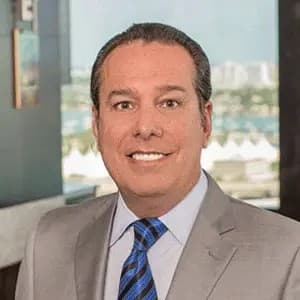
Co-Chair, Intellectual Property Litigation at Cozen O'Connor
James A. (Jim) Gale is the co-chair of Cozen O’Connor’s Intellectual Property Litigation Department and focuses his practice in the area of intellectual property counseling and litigation. He is a registered patent attorney with over 42 years of experience and is Chambers Band 1 ranked in Florida, Martindale AV Preeminent© rated, Board Certified in Intellectual Property by the Florida Bar, an AAA Arbitrator and the former inaugural chair of the IP Board Certification Committee. Jim has handled hundreds of cases involving patents, theft of trade secrets, restrictive covenants, trademarks, unfair competition, and internet disputes. He has appeared in over 400 federal cases in more than 48 federal district and circuit courts, as well as handled hundreds of injunctions in over 35 different states around the nation.